











KOPANO MONAHENG
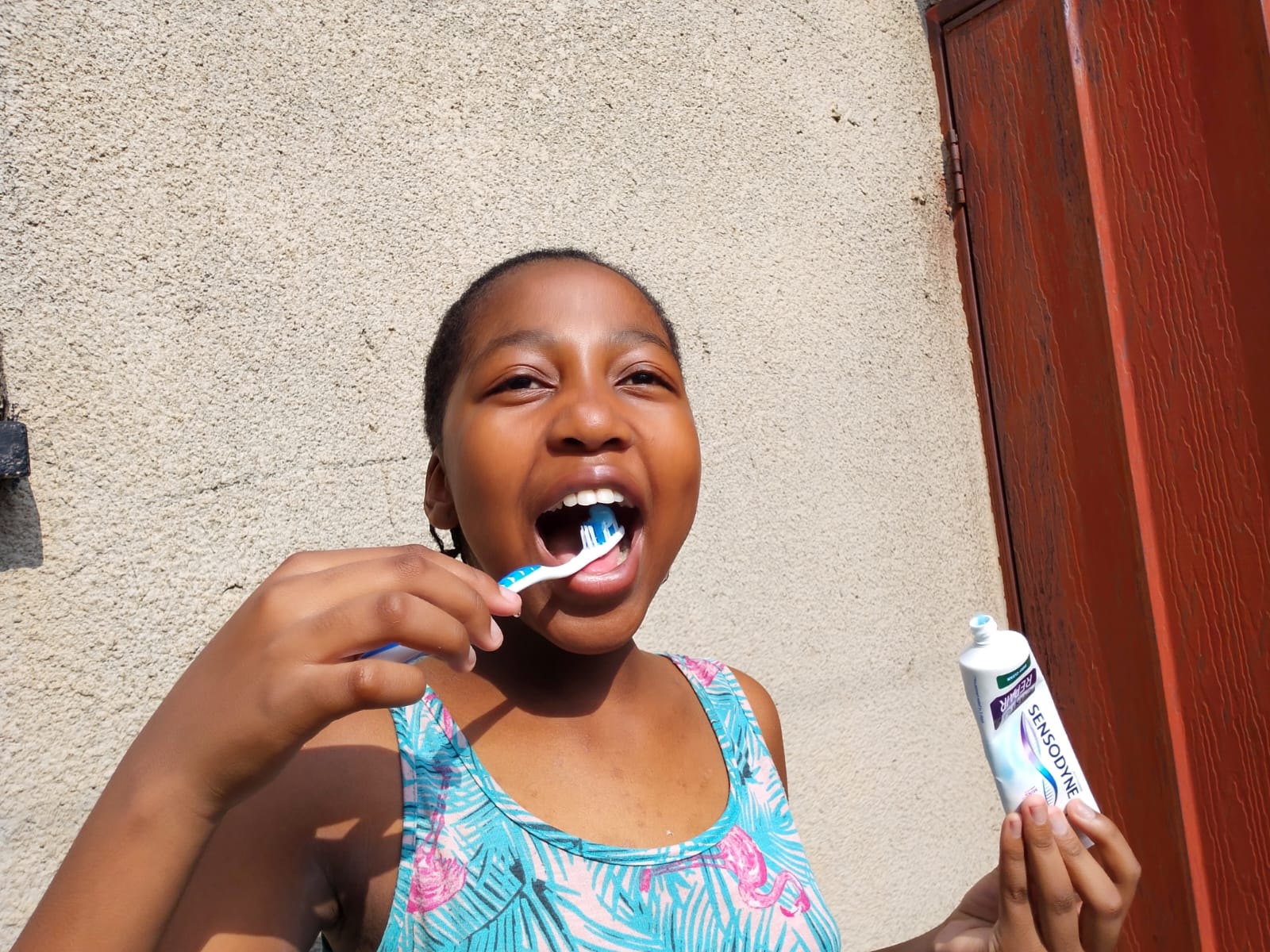
ORAL hygiene is a big problem in south Africa and across the world.
Lizeth Kruger, Dis-Chem Baby City’s National Clinic Executive, said parents no longer watch what children eat.
Taking a snack every now and then maybe a big problem and parents needed to make sure their children wash their teeth regularly.
“Healthy smiles are built through consistent routines, not perfect days,” said Kruger.
“When parents adjust daily habits early, the long-term benefits for children’s oral and overall health are significant.”
She said parents are often doing many things right, but modern lifestyles, busy schedules, taking snacks time and again and constant sipping can create repeated acid exposure in the mouth.
“It’s not only about the quantity of sugar, but the frequency,” explains Kruger.
Kids eat more sugary stuff than grains, fruit and vegetables. She said drinking more water a day is important.
Kruger shares practical ways parents can correct everyday habits that quietly damage children’s teeth.

All-day snacking –
Continuous eating keeps teeth under near-constant acid attack, with little time for enamel to recover between bites.
Slow sipping habits –
Juice, flavoured milk and sweetened drinks sipped slowly especially from bottles or sippy cups prolong sugar exposure on teeth.
Sticky ‘health’ snacks –
Dried fruit, sticky snack bars and fruit leathers may sound nutritious but they cling to teeth and fuel bacteria for longer.
Fresh fruit, plain yoghurt and crunchy vegetables are gentler choices for teeth.
Screen-time snacking –
When children eat while watching screens, they tend to snack more often and for longer without noticing.
Sports drinks for young children –
Many sports drinks contain hidden sugars and acids that weaken enamel, and most young children simply don’t need them.
Putting off the first dental visit –
Many parents wait until milk teeth start falling out or a problem appears before booking a dental appointment, but this can be too late for early prevention.
Dentists recommend a first visit by age one, or when the first tooth appears.
Early dental assessments help detect risks, guide parents on cleaning techniques and diet, and normalise dental visits for children reducing anxiety and preventable problems later in childhood