











The City of Johannesburg’s Environment & Infrastructure Services Department (EISD) through its Climate Change and Air Quality Unit, in collaboration with the University of Johannesburg’s Process, Energy & Environment Technology Station (UJ-PEETS) and the International Council on Clean Transportation (ICCT), has launched South Africa’s first roadside remote sensing study to assess real-world vehicle emissions.
The project aims to gather accurate emissions data from vehicles across Joburg and the broader Gauteng region. The initiative is part of the global Real Urban Emissions (TRUE) Initiative, in partnership with Breathe Cities, and will support evidence-based policies such as clean air zones and stricter emission standards.
Vehicle pollution accounts for over 75% of nitrogen dioxide emissions in Johannesburg, making it a major contributor to poor air quality. Until now, the City has lacked detailed emissions data to inform effective interventions.
Using roadside remote sensing technology, the project will measure tailpipe emissions from more than 100 000 vehicles of various sizes and fuel types. Unlike previous African TRUE campaigns that used mobile ‘plume-chasing’ methods, this study will use stationary equipment placed along Joburg roads.

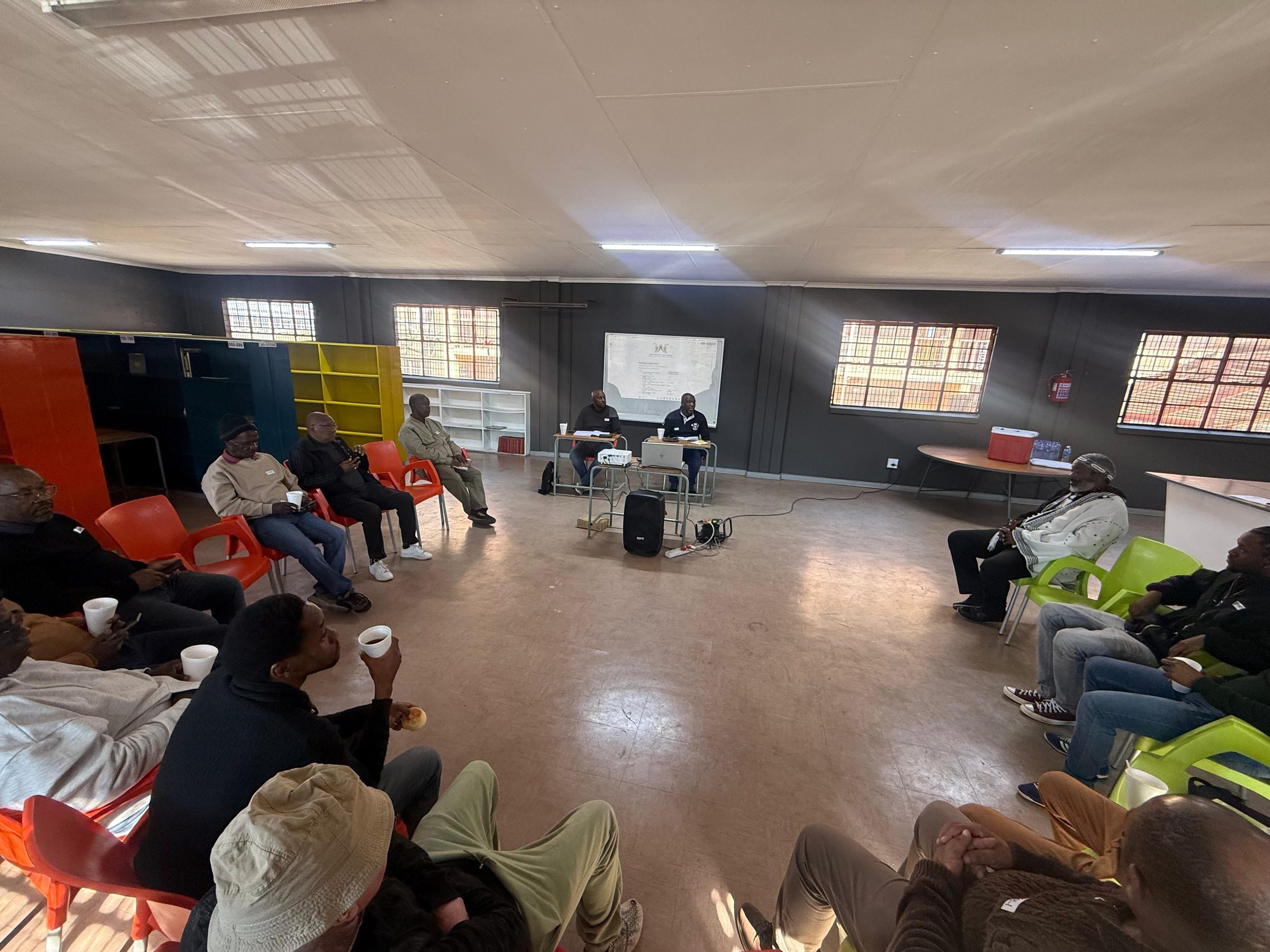
To kick off the campaign, UJ-PEETS hosted a training workshop with OPUS Remote Sensing for City officials and local partners, followed by a live demonstration of the technology.
“The TRUE Initiative gives us the real-world data we need to shape impactful policy and deliver cleaner streets,” said Musa Mahlatji, Deputy Director: Air Quality Management.
UJ PEETS Project Leader, Boitemogelo Kwakwa, added: “We’re turning data into action and building local expertise in emissions monitoring.”
This marks the TRUE Initiative’s second campaign in Africa after Kampala. Testing will conclude in September 2025, with a full report expected mid-2026 to guide future air quality policies across the continent.
Issued by the City of Johannesburg