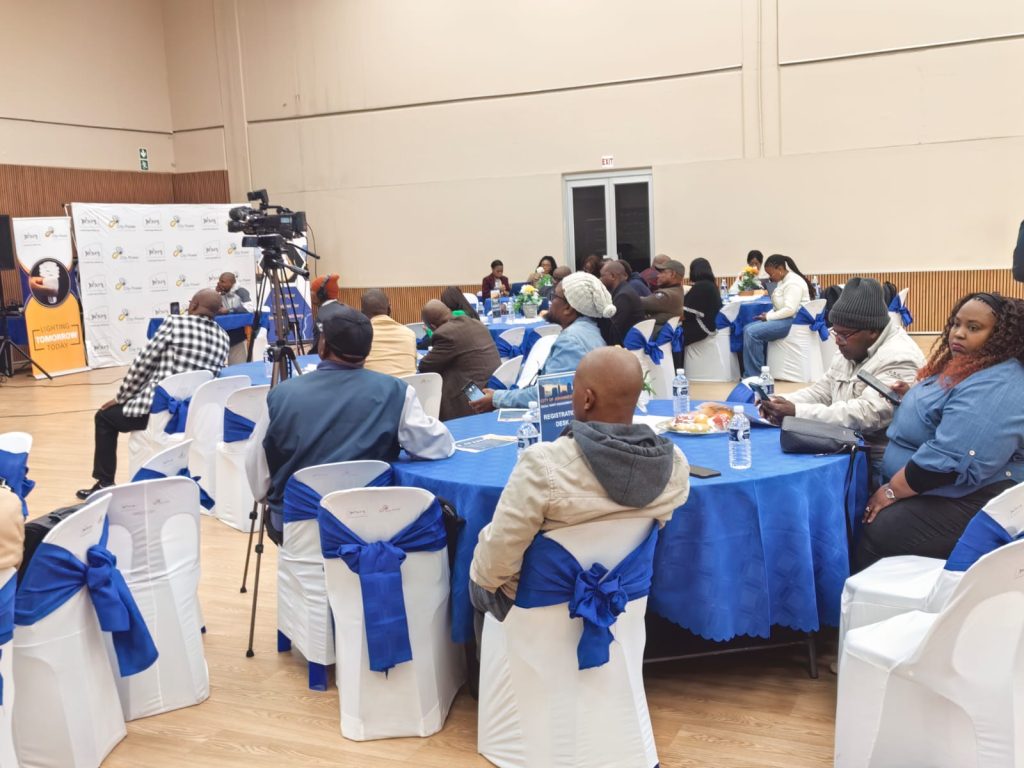













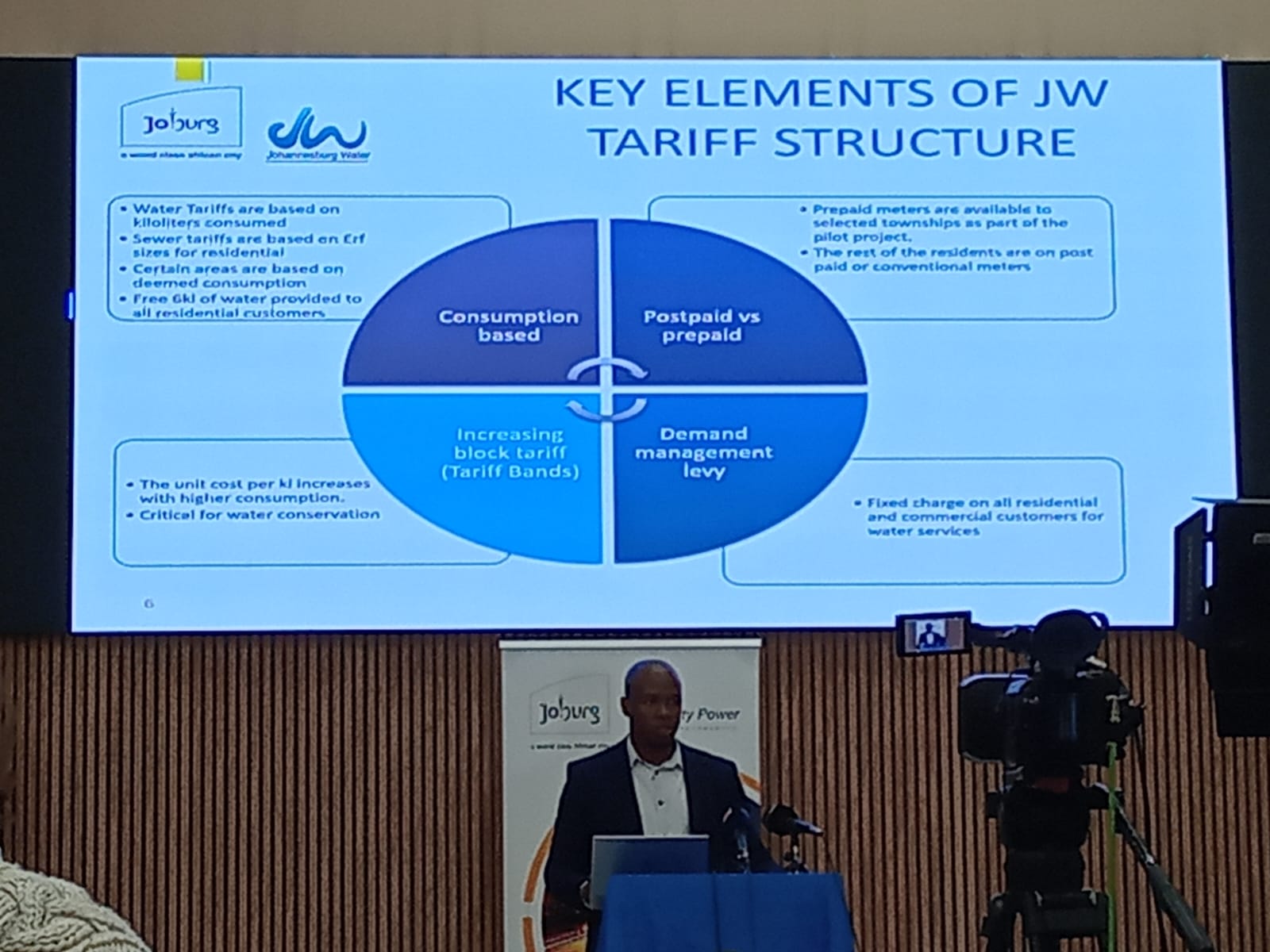
The City of Johannesburg has concluded a series of stakeholder engagement sessions aimed at providing residents, businesses, property owners and members of the media with greater insight into the approved 2026/2027 municipal tariffs and annual budget.
Held on 9 and 10 June 2026, the engagements formed part of the City’s ongoing commitment to transparency, accountability and customer education following Council’s approval of the 2026/2027 Budget and associated tariff adjustments.
Bringing together stakeholders from the business and property sectors, as well as members of the media, the sessions provided an opportunity for the City to explain the rationale behind the approved tariffs, discuss the key cost drivers influencing municipal finances, and outline the anticipated impact on customers ahead of implementation on 1 July 2026.
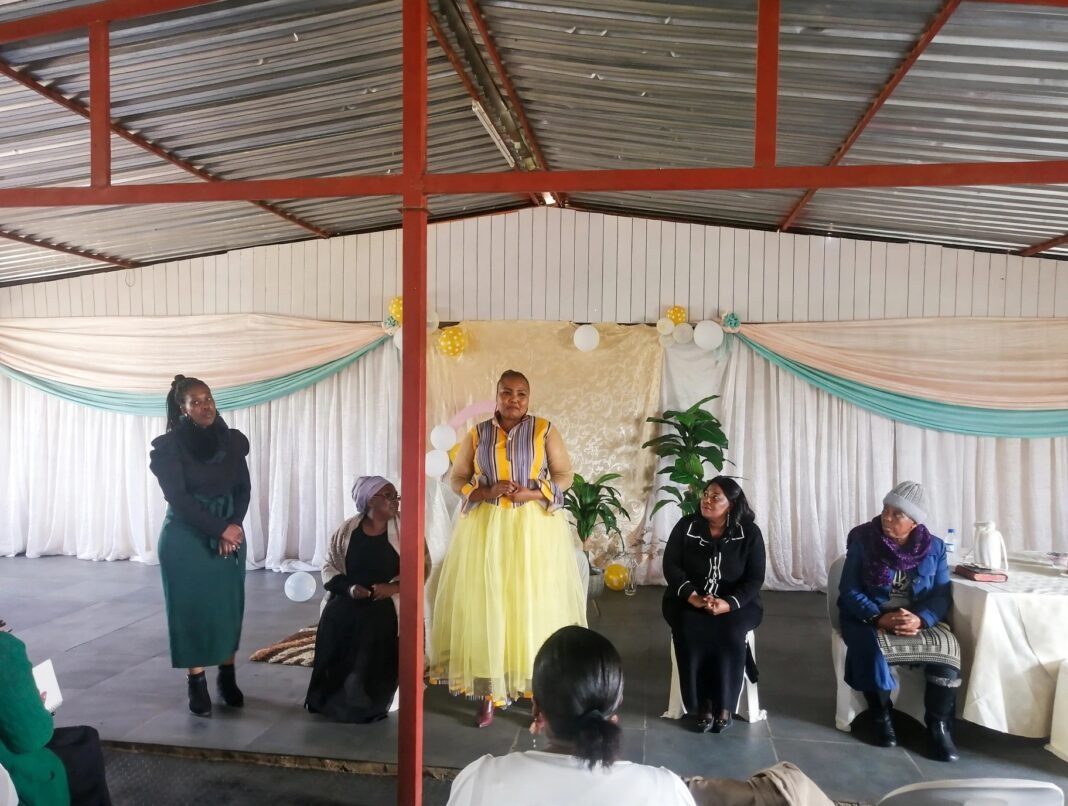
The engagements also built on the extensive public participation process undertaken through the Integrated Development Plan (IDP) consultations, during which residents and stakeholders were invited to provide input on the City’s budget, service tariffs and Property Rates Policy before Council considered and approved the final budget.
As approved by Council, the following average tariff adjustments will be implemented from 1 July 2026:
• Electricity: 8.63%
• Water: 12.5%
• Sanitation: 11%
• Refuse Removal 6.2%
• Property Rates: 3.6%
These adjustments are informed by key cost drivers, including increases in bulk electricity and water purchases, the need for ongoing infrastructure maintenance and upgrades, and the imperative to ensure the long-term financial sustainability of the City.

The stakeholder sessions enabled the City to:
• Provide a comprehensive overview of the approved tariff adjustments;
• Explain the rationale behind the increases; • Outline the anticipated impact on residents, businesses and property owners; and
• Create a platform for engagement, clarification and constructive dialogue.
The City emphasised that these engagements form part of a broader effort to ensure that stakeholders are adequately informed and empowered to understand how municipal tariffs are structured and how they contribute to the delivery of essential services.
Director of Communications and Stakeholder Engagement, Kgamanyane Maphologela, said stakeholder engagement remains critical to building trust and understanding between the City and its customers.
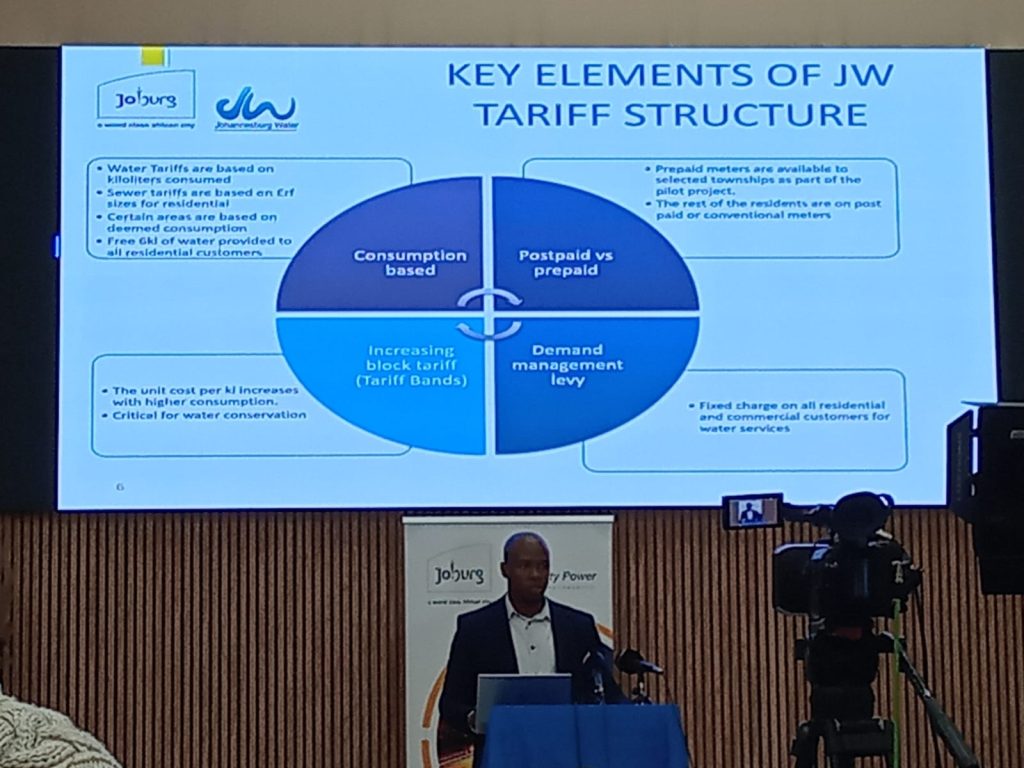
“These engagements are not only about communicating the approved changes, but also about building a shared understanding of the financial realities facing the City and the collective responsibility required to sustain service delivery. Informed customers are better positioned to engage constructively with the City and make use of the support mechanisms available to them,” said Maphologela.
The City encourages residents and stakeholders to make use of its digital and customer service platforms, including the Customer Service Delivery (CSD) Mobile App, eJoburg, e-Services, Customer Service Centres and approved banking channels to access municipal accounts, make payments, log service requests, update customer information and receive important municipal updates.
While the City continues to provide support to qualifying customers through initiatives such as the Debt Relief Programme Phase 4 and the Expanded Social Package (ESP), customers are encouraged to maintain their accounts, make payment arrangements where necessary and ensure that their contact details remain up to date. The approved tariffs and Property Rates Policy will take effect on 1 July 2026.
The City looks forward to continued engagement with all stakeholders as it strengthens transparency, improves customer understanding and enhances service delivery across Johannesburg.