






Tana Malinga
The G20 Social Summit, held over three days at the Birchwood Hotel & OR Tambo Conference Centre, consisted of a full programme focused on inclusion, community voices, and global cooperation. The summit formed part of South Africa’s G20 Presidency and brought together civil society groups from across the country and the world.
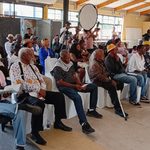
Day 1 opened with an official ceremony led by Deputy President Paul Mashatile. Delegates from youth organisations, women’s groups, persons with disabilities, labour, faith communities, and grassroots movements gathered to set the tone for the summit. The first afternoon centred on introductions, networking, and outlining shared goals under the theme “Solidarity, Equality, Sustainability.” Participants used this session to align their priorities and identify issues that required collective attention.
Day 2 was dedicated to deep discussions and themed breakout sessions. Groups explored a wide range of topics including digital inclusion, fair trade and resilient economies, climate justice, just transitions in the energy sector, and sustainable finance. A major side event, hosted by Unitaid, focused on strengthening community-led health systems and ensuring healthier futures for vulnerable populations. The day was filled with panel conversations, expert inputs, and policy dialogues that helped shape the final recommendations.
Day 3 brought the summit to a close with a formal ceremony attended by President Cyril Ramaphosa. Delegates presented a unified G20 Social Declaration capturing their proposals for a fairer, more sustainable world. Brazil, representing the G20 troika, also took part in the closing proceedings.
The summit ended with a strong message: global development must be built from the ground up, with civil society at the centre.