









KOPANO MONAHENG
Many people in South Africa and around the world are struggling with gambling-related challenges. Every day, regardless of the weather, hundreds of people visit gambling outlets or place bets online in the hope of winning money.
For some, gambling has become a way of life. For others, it has brought financial hardship and disappointment.
Dikeledi Sekwale (54), from Pimville in Soweto, has been gambling for many years. She says gambling significantly changed her life after she was introduced to it by a friend.
“I used to work as a domestic worker, but after I was introduced to gambling, I no longer wanted to return to that job,” said Dikeledi.
“I would win R2,000 or more a week, and that encouraged me to leave my job as a domestic worker.”
Dikeledi and her friend would often walk to a nearby mall during lunch breaks to place bets on lottery numbers. She enjoys playing UK lottery numbers and believes her winnings have helped improve her family’s circumstances.
However, she admits that not every day is a winning day. Sometimes she goes several days without receiving any payout, but she remains hopeful and continues to play the same set of numbers daily.
In contrast, Michael Mkhonza (41) from Vereeniging says his experience with gambling has been largely negative. He only bets online and says wins have been rare.
“I don’t win. The last time I won was more than seven months ago,” he said.
“Gambling is dangerous because people end up using money meant for their children and household needs, hoping they will win and solve their financial problems. Gambling doesn’t work like that. You must expect to lose more than you win.”
Recent research suggests that many South Africans may be underestimating the impact gambling has on their finances.
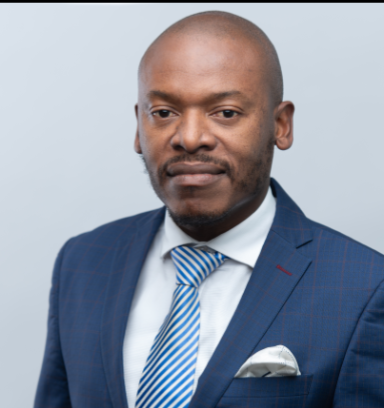
Timothy Treagus, CEO of Yazi, said nearly three-quarters (72%) of South African online gamblers describe themselves as being in control of their gambling habits. However, a national study conducted by the company paints a more concerning picture.
“More than half of the participating gamblers indicated that they were sacrificing daily essentials to continue betting, while 29% are borrowing money to gamble and almost 60% are chasing losses,” said Treagus.
“Yet 72% still believe they are fully in control. This contradiction between lived reality and consumer behaviour indicates that stronger safeguards and easier access to support are urgently needed.”
According to Treagus, the findings reveal important insights into human behaviour and the challenges many South Africans face.
“The real story is not only about online gambling, but about what happens when people are given a safe space to tell the truth. Our research is helping us understand human behaviour more accurately and measure its impact in ways that were not previously possible,” he said.
Treagus added that the findings highlight the need for a deeper understanding of how South Africans are dealing with financial pressure, risk-taking and gambling behaviour.
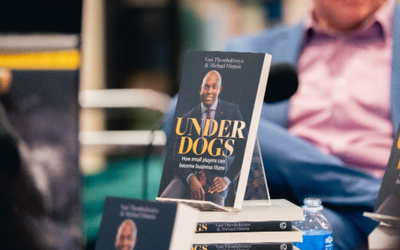
Among those calling for greater accountability in the gambling industry is Khaya Dlanga, former Coca-Cola South Africa marketing executive, former Chief Marketing Officer of Rain, and award-winning author. Dlanga has become a vocal advocate for responsible gambling after his family was affected by gambling addiction.
Commenting on the study, Dlanga said:
“What concerns me most is not that people are gambling. It is that so many appear to be gambling while under financial strain. When people start sacrificing essentials, borrowing money, or believing that the next bet will solve their financial problems, we are no longer talking about entertainment. We are talking about vulnerability.”