












By Charmaine Nkosi

AS residents of Emhlabeni informal settlement in Lamontville, Durban, work to recover from the devastating floods of February, they also face a deeper crisis, government inaction and the failure of essential services.
With no official support to rebuild their homes, families are left to fend for themselves, and frustration over unfulfilled promises continues to grow.
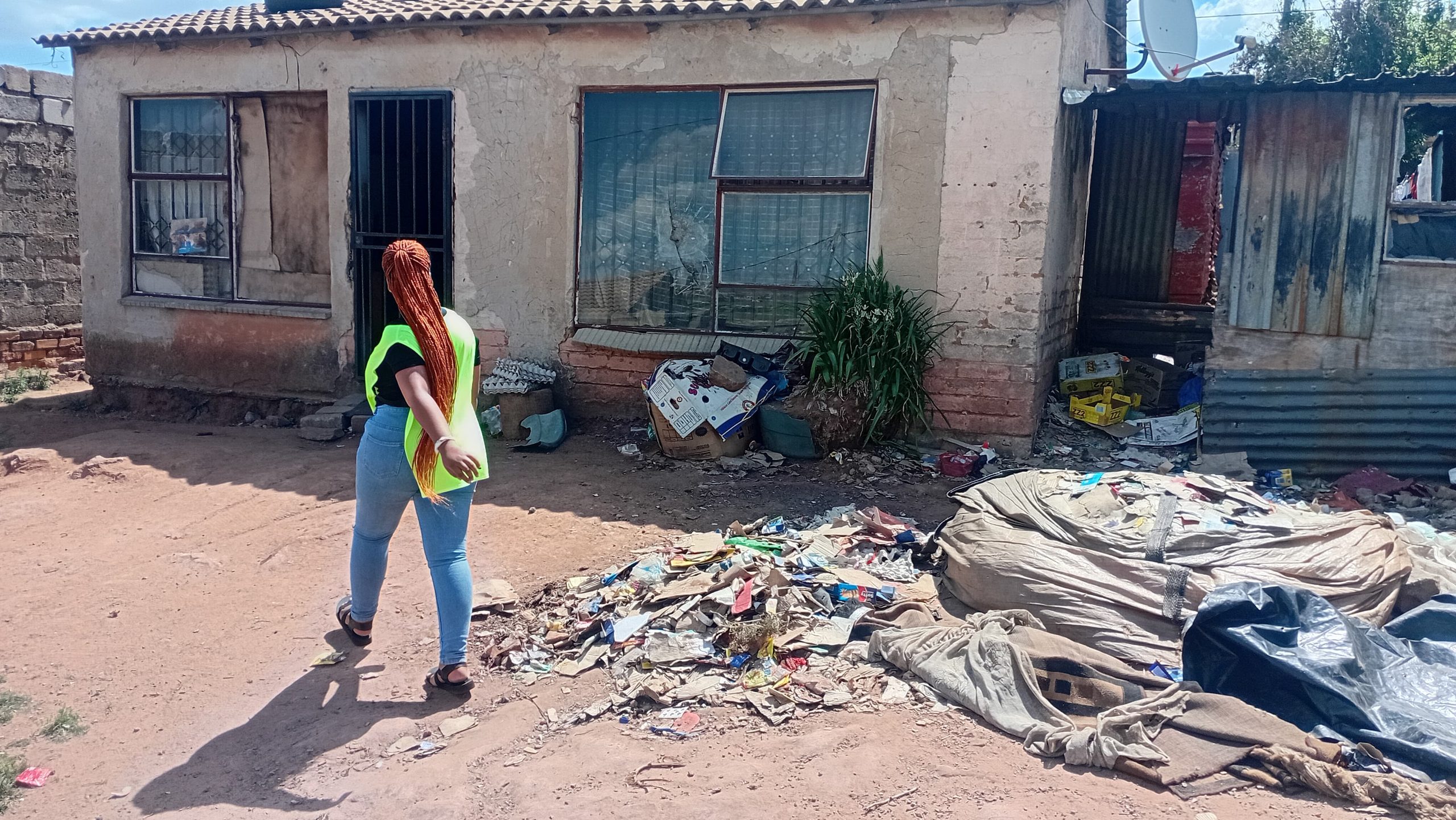
Two months after floods displaced 280 families, basic services remain unreliable. Power outages last for days, garbage collection is inconsistent, and infrastructure remains in a state of disrepair.
Following the floods, displaced families were sent to temporary shelters, where they waited for the government to rebuild their homes. That promise never materialised.
Left with no alternative, many returned to Emhlabeni and reconstructed their shacks using whatever materials they could find. Residents have lived in Emhlabeni since 2008, after floods destroyed homes across KwaZulu-Natal.
Initially intended as a temporary settlement, the community has endured for 17 years without permanent housing or essential services.
The housing crisis continues to deepen as families outgrow their one-room shacks. Many residents have resorted to building additional structures for their children, only to be told that these will be demolished.
“Our shacks are too small, but they don’t allow us to expand. My son was 10-years-old when we moved here now, he’s 27 and I had to build him his own shack,” says resident Zoleka Jali.
Despite years they lived there, they’re still illegal, according to the area municipality.
Crime remains a serious concern. Without adequate policing or security, residents feel vulnerable. Informal settlements often experience higher rates of theft and violence, further exacerbated by poor infrastructure and lack of street lighting.
Beyond housing, service delivery failures continue to plague the community. Residents of Emhlabeni and surrounding areas have long complained about uncollected garbage and blocked sewage drains, which pose serious health risks.
A broader survey of informal settlements in South Africa found that nearly 40% of residents lack access to taps and proper sanitation, with municipalities failing to maintain communal infrastructure.
Sibusiso Mbatha, who has lived in Emhlabeni since its creation, is frustrated by the government’s lack of action.
“We moved here after losing our homes to floods in 2008, and we were promised new houses. Instead, we have spent 17 years in shacks that were meant to be temporary. Nothing has changed,” he says.
“We are tired of waiting.”
While authorities assure residents that progress is being made, the reality on the ground tells a different story. Residents continue to demand action, hoping that officials will finally deliver on promises made long ago.