












By Kopano Monaheng
MZANSI government to dish out billions of rands in building student accommodation across the country.
While the initiative is good news for the Department of Public Works and Infrastructure (DPWI), it will also create thousands of employment opportunities during the construction phase and after the completion of the projects.
The programme is expected to generate jobs for construction workers, cleaners, administrative staff, maintenance personnel, accountants, property management teams, security officers and many other professionals.
Deputy Minister of Public Works and Infrastructure, Sihle Zikalala, said billions of rands have been allocated to ensure that the Student Housing Infrastructure Programme (SHIP) achieves its target of delivering 300,000 student beds by 2030.
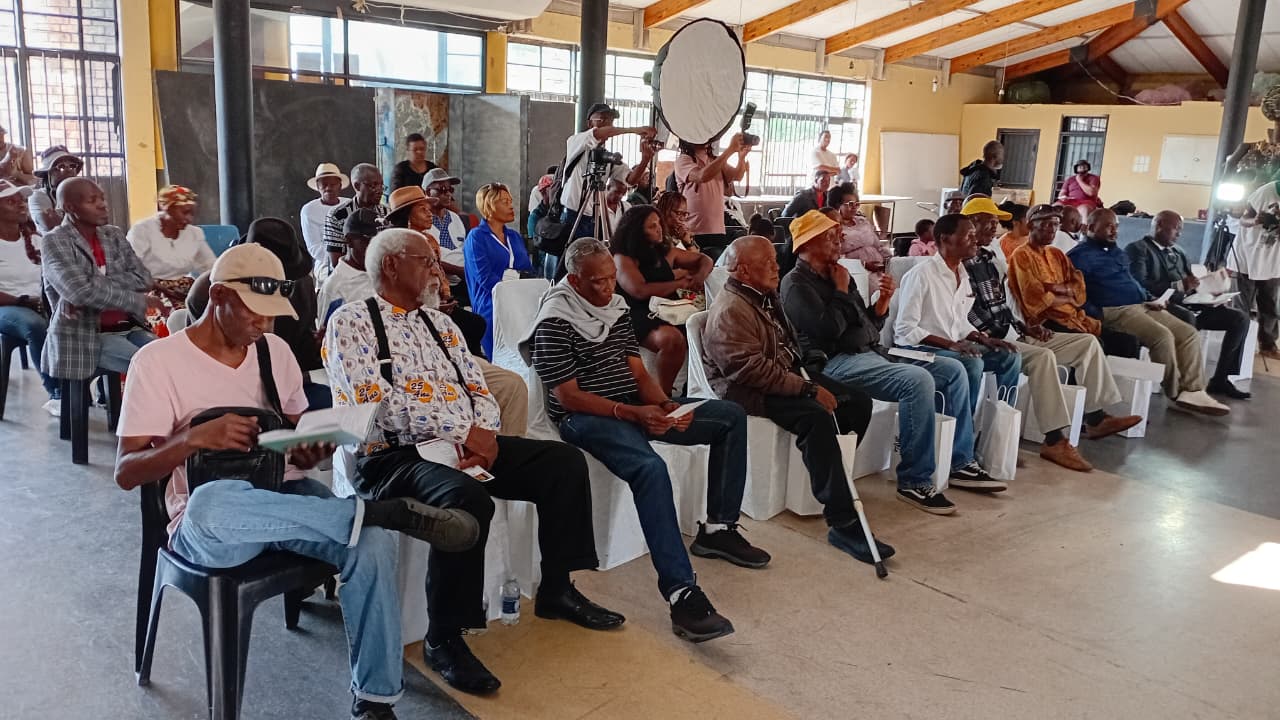
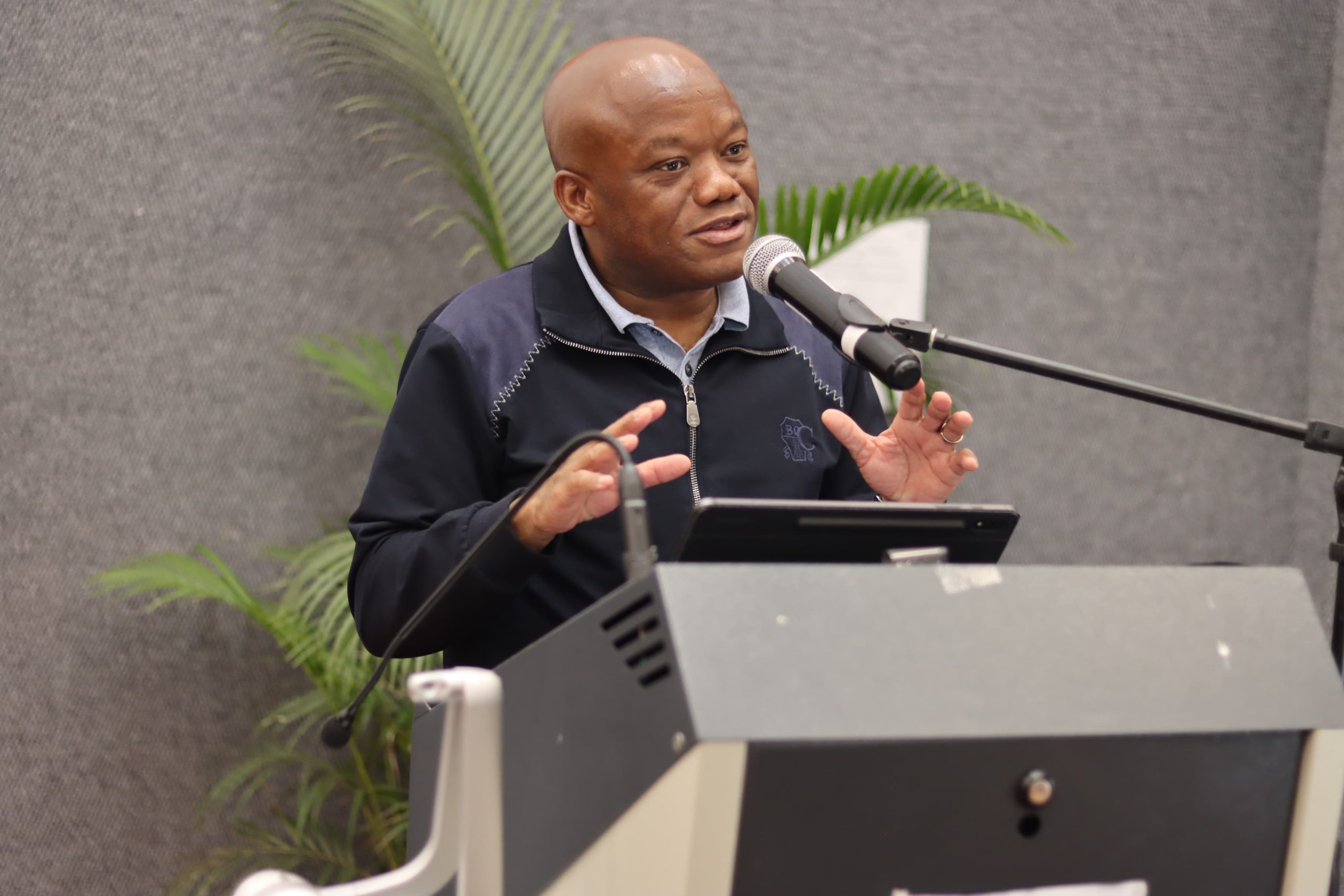
Speaking on the final day of the South African Union of Students (SAUS) Student Accommodation Indaba at Edgewood Campus, in KZN, Zikalala said quality student accommodation is important if students are to succeed academically.
“In higher education, student accommodation is one of the most strategic forms of social infrastructure because it directly influences student success, economic participation and long-term national development,” he said.
Thousands of students across South Africa continue to struggle to find decent accommodation and are often forced to live far from their campuses. The government’s plan to build more student residences is expected to reduce the financial burden on students while improving their safety, academic performance and overall university experience.
Zikalala said education remains one of the most powerful tools for economic growth and social development, adding that affordable student accommodation should not be a privilege for a few but a right that gives every deserving student an equal opportunity to pursue higher education.
He said the historic Strategic Integrated Project (SIP) 14, gazetted by Infrastructure South Africa (ISA), recognises educational infrastructure—including lecture halls, laboratories and student accommodation—as a strategic national infrastructure priority.
“SIP 34, the Student Accommodation Programme, was formally gazetted in July 2020 in terms of the Infrastructure Development Act 23 of 2014. The Student Accommodation Programme consists of projects funded under the Student Housing Infrastructure Programme (SHIP), supported by the Development Bank of Southern Africa (DBSA), as well as other Department of Higher Education and Training priority pipeline projects,” said Zikalala.
He revealed that Phase One of the programme has already delivered more than 12,219 student beds, created approximately 3,000 employment opportunities and mobilised around R3.5 billion in investment.

According to Zikalala, about 4,000 additional beds are currently under construction, while Phase Two aims to deliver a further 24,400 beds backed by an estimated investment of R7.2 billion.
He said the SHIP programme demonstrates the potential of blended finance by successfully mobilising both public and private sector investment for student accommodation projects.
“It shows that government grants can leverage private sector investment and that Design-Build-Operate-Maintain (DBOM) models can improve lifecycle management and quality,” Zikalala concluded.