












By KOPANO MONAHENG
COMMUNITY media remain among the most effective marketing and communication platforms because they engage directly with people at grassroots level.
However, many community media owners believe they are not receiving the recognition and support they deserve.
Their close connection with local communities enables government departments, businesses, and organisations to communicate important information, raise awareness, and receive immediate feedback from the people they serve.
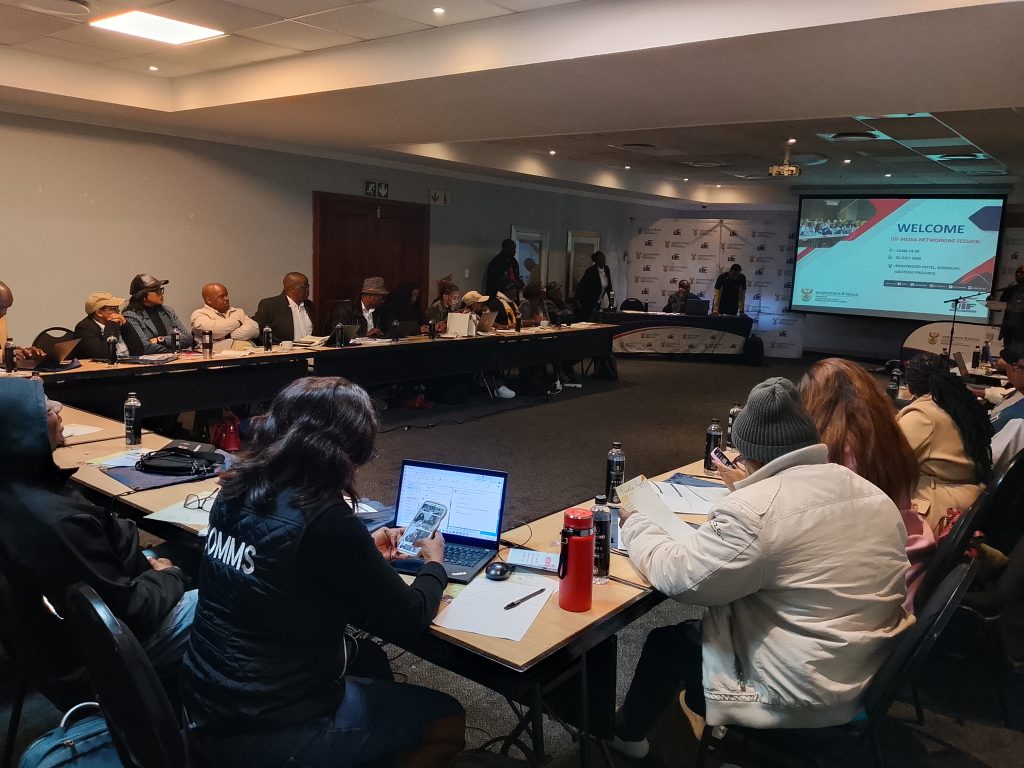
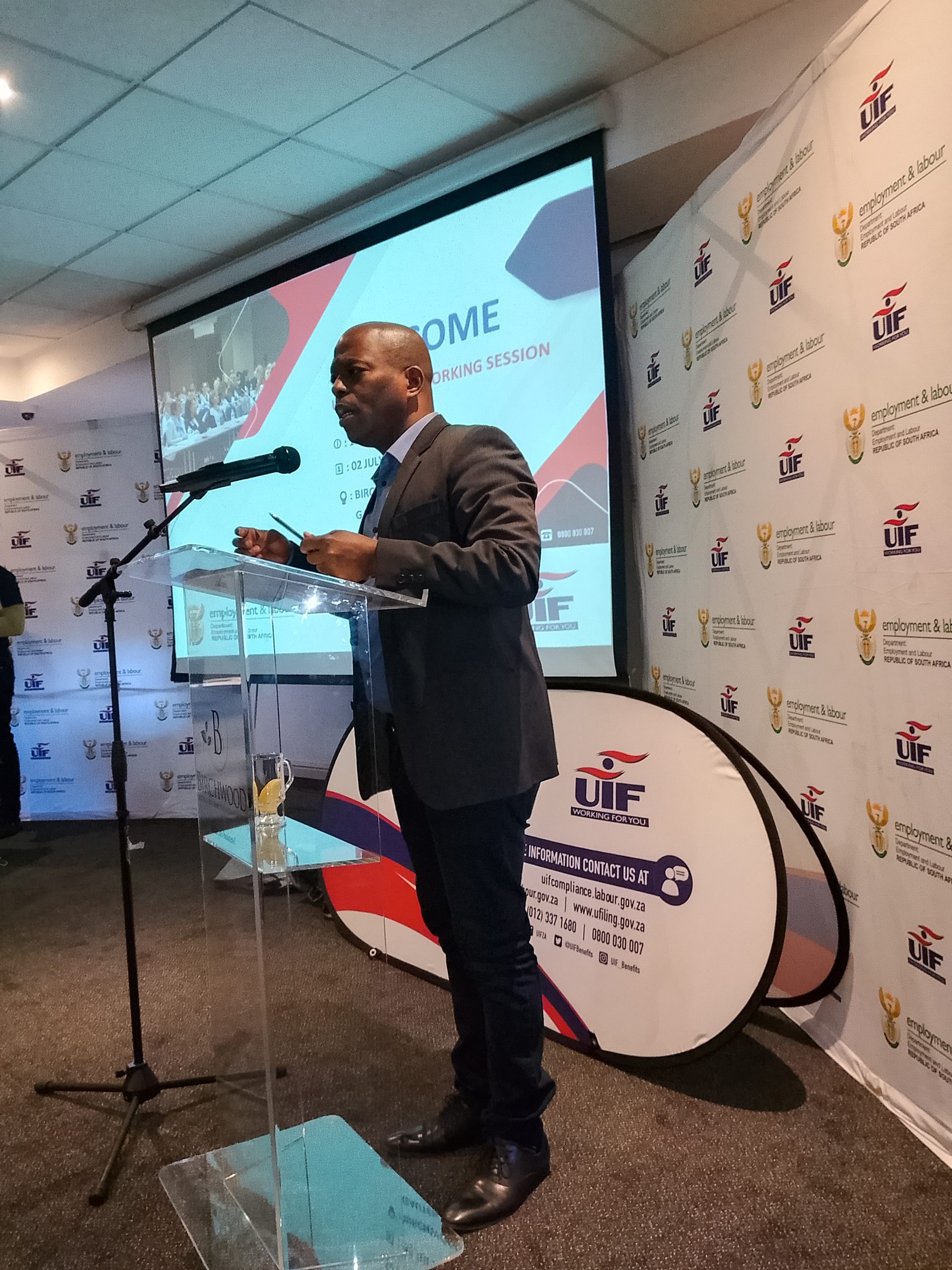
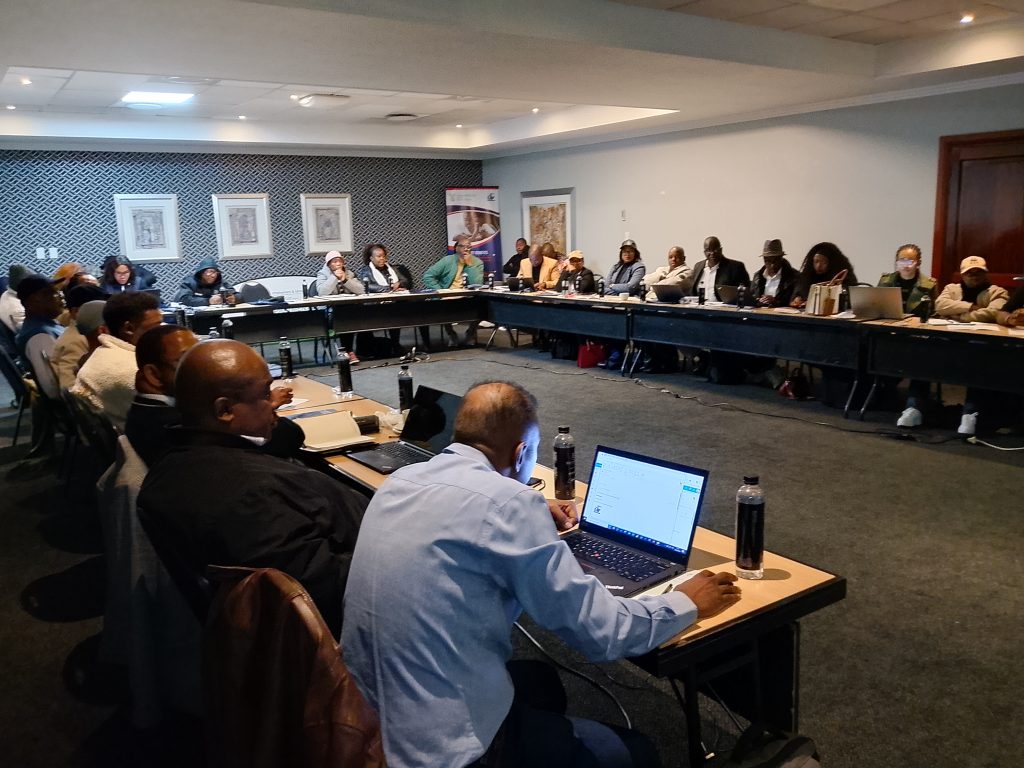
This was one of the key issues raised during a media networking session hosted by the Department of Employment and Labour’s Unemployment Insurance Fund (UIF) at the Birchwood Hotel and Conference Centre in Johannesburg on 2 July.
The engagement focused on building stronger working relationships, improving access to labour-related information, and exploring ways in which community media can play a greater role in educating the public about UIF services and other employment and labour matters.
The meeting marked the first formal engagement between community media owners and UIF officials, with both parties agreeing that closer collaboration is needed.
Mabel Mosiamedi, owner of Soweto Life News, said community media businesses continue to feel excluded despite the vital role they play in informing local communities.
“Community media houses are struggling. We’re on our own, and it pains me to see a business I built from scratch slowly die. Many of us are forced to close because we don’t receive enough advertising support, and even when we do, the budgets are very small,” she said.
At the conclusion of the meeting, the Department of Employment and Labour’s UIF and community media owners committed to holding another engagement in the near future. The aim was to strengthen the partnership further and ensure that community journalists are better equipped to report accurately and consistently on UIF services and other labour-related matters.
Nomalan Pillay, Deputy Director for UIF Operations in Gauteng at the Department of Employment and Labour, welcomed the initiative and expressed optimism about future engagements.
He said it was unfortunate that they didn’t have enough time today to go into the UIF in greater depth and detail.
“Hopefully, the secretary and the team will have an opportunity to do that in our next engagement. We can then take participants through the UIF processes in a more comprehensive way,” concluded Pillay.