














BY: TANA MALINGA
South Africa’s 2026 National Budget has introduced targeted relief measures for small and medium-sized enterprises (SMEs), highlighted by a significant increase in the Value Added Tax (VAT) registration threshold and enhanced capital gains tax exemptions for qualifying business owners.
In his Budget Speech, Finance Minister Enoch Godongwana announced that the VAT registration threshold will increase to R2.3 million. The adjustment responds to concerns that compliance costs have not kept pace with the rising cost of doing business. The measure follows commitments made in this month’s State of the Nation Address (SONA) to support SMEs and provides practical regulatory and cash-flow relief for growing enterprises.
The Budget gives effect to key SONA priorities, particularly reducing compliance pressure on SMEs and strengthening regional trade integration. While SONA outlined ambitious growth and funding commitments for the sector, the Budget signals early delivery through regulatory relief and trade-enablement measures.
Minister Godongwana further confirmed that the capital gains tax exemption on the sale of a small business for older persons will increase from R1.8 million to R2.7 million, while the qualifying business value cap will rise from R10 million to R15 million.
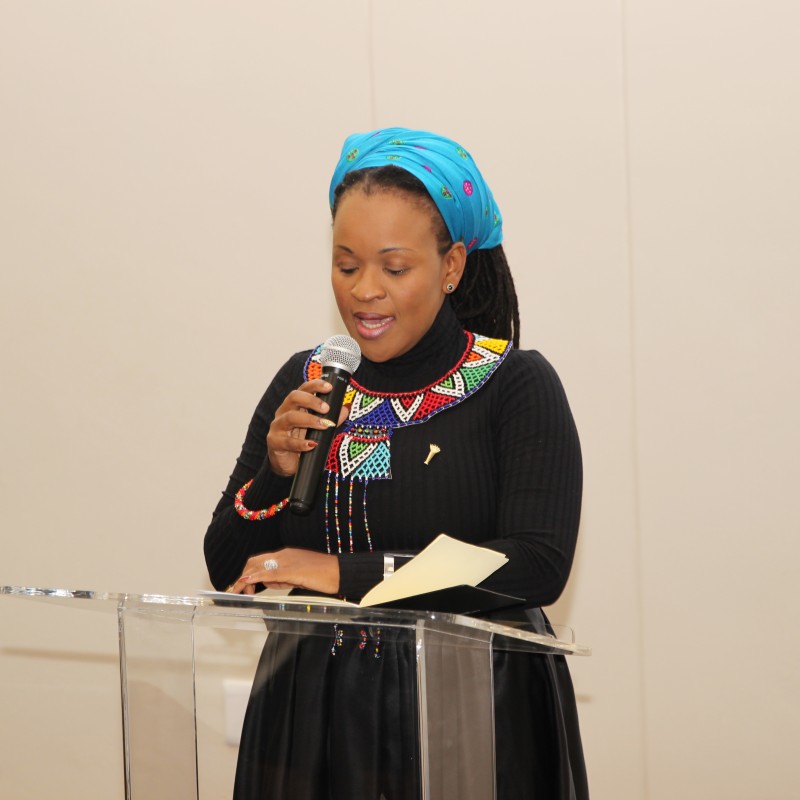
Simone Cooper, Head of Business & Commercial Banking at Standard Bank South Africa, described the VAT threshold increase as a meaningful intervention for growing businesses. She noted that for many SMEs, compliance costs can be disproportionate to turnover, and the increase to R2.3 million creates breathing room for entrepreneurs to reinvest in growth, strengthen resilience and focus on expansion rather than administration.
Beyond SME compliance relief, the Budget reinforces South Africa’s commitment to regional integration.
Minister Godongwana emphasised that a key policy objective is ensuring the financial sector supports regional integration and implementation of the African Continental Free Trade Area (AfCFTA). National Treasury will ease certain cross-border capital flow restrictions to improve competitiveness and position South Africa as a hub for investment into the continent.
Among the most advanced public-private partnership initiatives are six border post projects aimed at easing congestion and improving regional trade flows. Logistics reforms are also planned to address rail and port bottlenecks that have constrained exports and increased business costs.
Cooper said these measures reinforce work already underway in the private sector. She highlighted that the bank supports clients operating across Africa in alignment with AfCFTA and continues to assist businesses expanding across borders through integrated trade, payments and working capital solutions. Business & Commercial Banking is present in 15 markets across Africa, as well as in Jersey and the Isle of Man.
The Budget places strong emphasis on infrastructure investment, with public-sector spending expected to exceed R1 trillion over the medium term. Allocations span state-owned companies, provinces and municipalities, with transport and logistics receiving the largest share.
These commitments, together with energy transmission reforms and water infrastructure investment, aim to remove structural bottlenecks that have constrained economic growth.
Minister Godongwana confirmed that government debt will stabilise for the first time in 17 years and begin to decline over the medium term, reinforcing fiscal credibility and investor confidence. Economic growth is projected at 1.6% for 2026.
Cooper concluded that while targeted SME relief improves short-term viability, long-term growth will depend on reliable infrastructure, efficient payments systems, strong trade corridors and continued access to finance.
She added that while the 2026 Budget provides important building blocks, the focus now shifts to implementation.
IMAGE SUPPLIED