











KOPANO MONAHENG
IT doesn’t really matter whether you are rich or not, dignity and respect are values we all appreciate.
Girls should really learn how to confidently address their peers, parents, and even their teachers on matters relating to their periods or menstrual health.
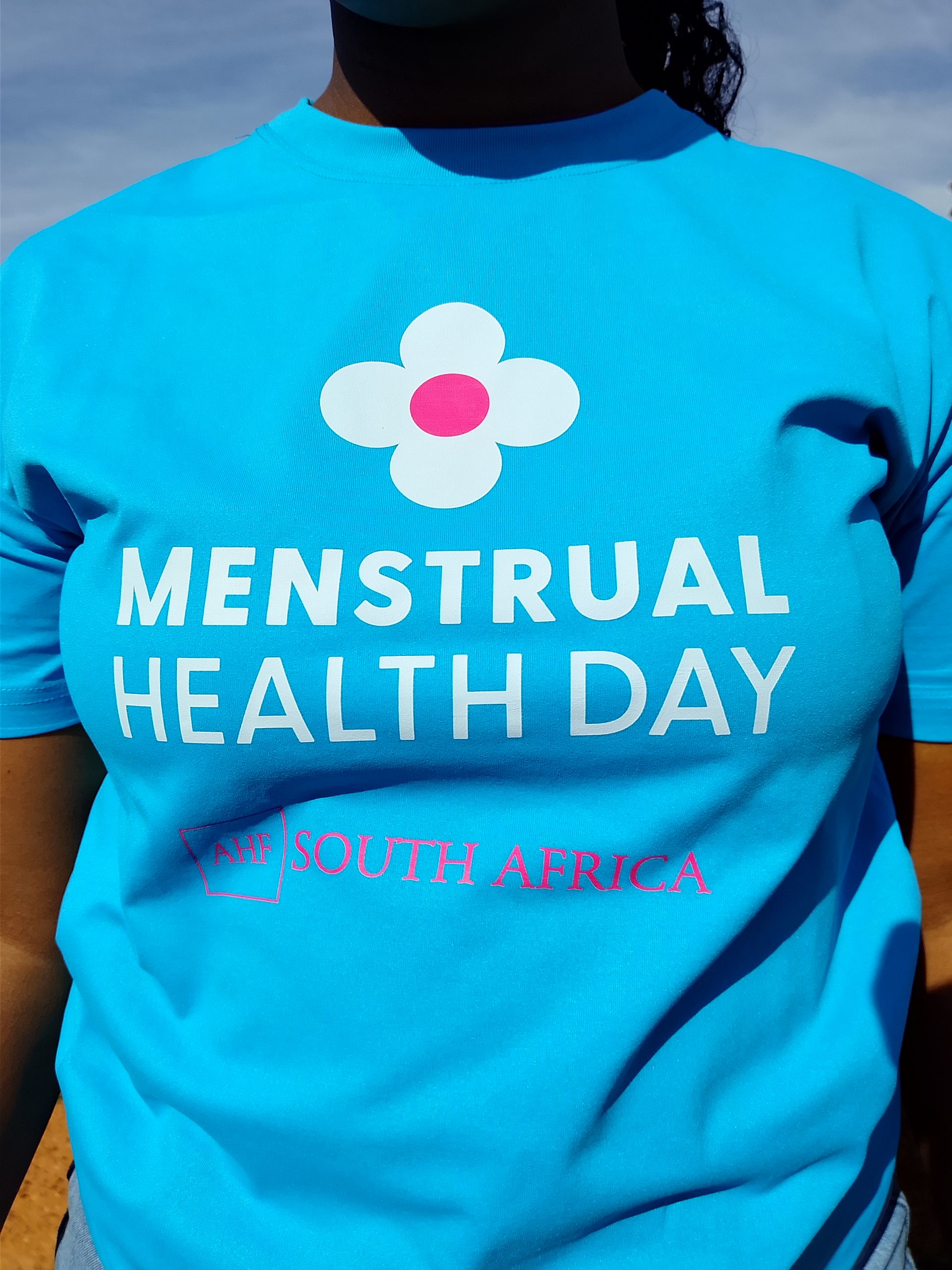
As the world commemorated Menstrual Hygiene Day on 28 May, Ezimtoti News caught up with Mmatsie Tsotetsi, national advocacy and marketing manager for Aids Healthcare Foundation (AHF).
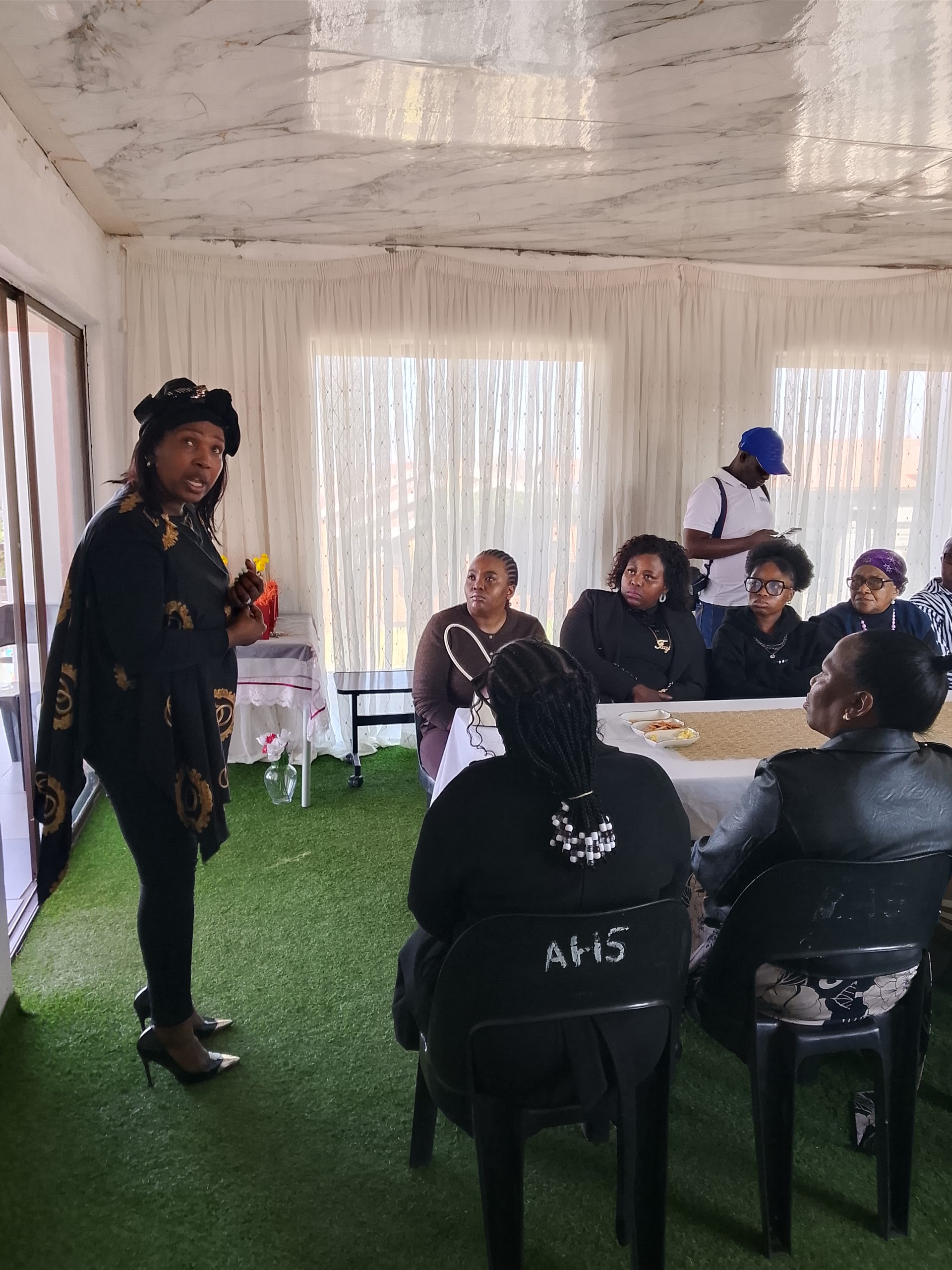
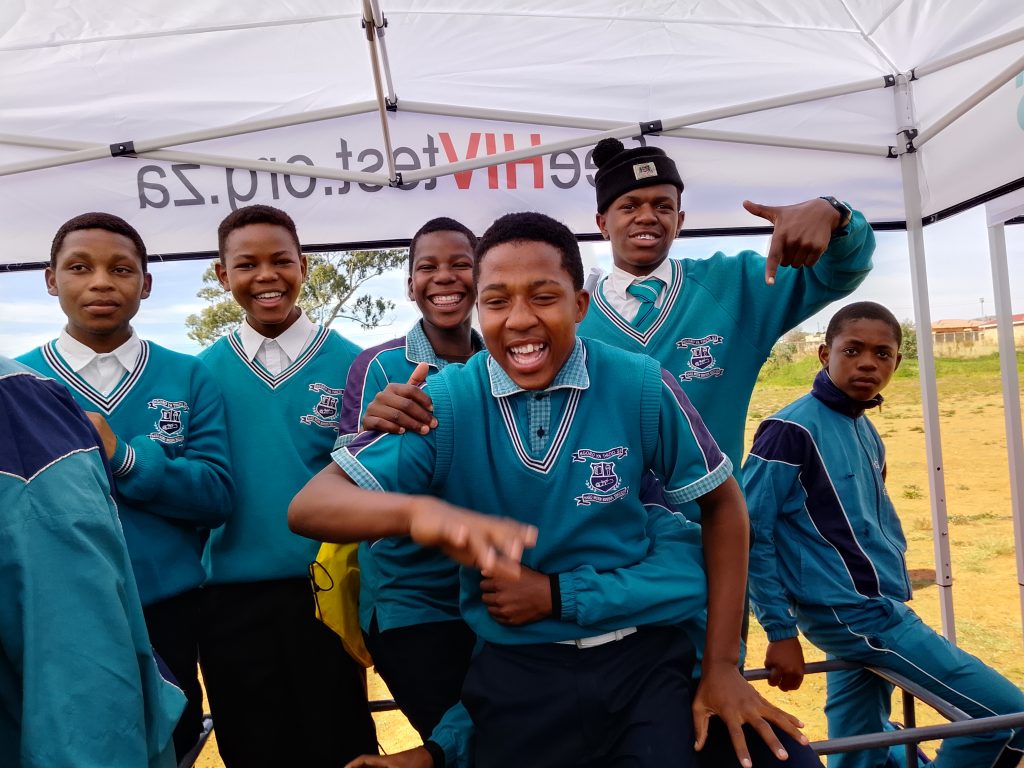
Tsotetsi was speaking to pupils at Kgoro Yathuto Secondary School event organised by AHF in partnership with Mina and Baithudi Mampane Foundations, Lil-lets and the Department of Basic Education to highlight the importance of good menstrual hygiene.
“We are talking about issues surrounding menstrual health, issues of stigma, issues of ensuring that young girls, when they go on their periods, there’s confidence that is restored,” said Tsotetsi.
She thought it has been embedded in their culture for so long that they only talk to the girls about menstrual periods and anything related to menstruation.
“So we weren’t involved then because when they’re in school setup, we want them to normalise being their brother’s keeper.
“That’s why if you heard even the dialogue session, some of the boys were saying, please don’t be ashamed if you blotted yourself, you can come, we’ll assist and others are even willing to go and get the pads. So that is why we are including the boys so that they are part of the conversation.”
She also said that they wanted to remove the stigma that menstruation is a female thing only.
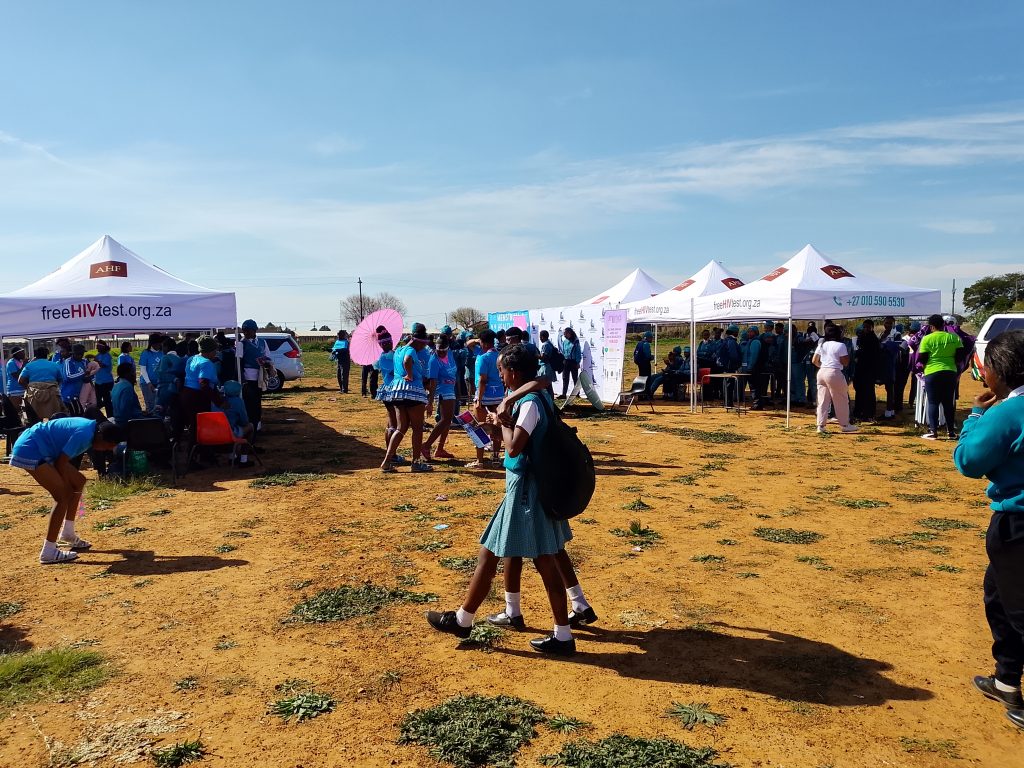
AHF has other programmes like Girls Act, which talks more about HIV and Aids. “So menstrual health is part of that because through period poverty, our young girls become vulnerable and then they get involved in transactional sex because they want to buy pads. I mean in households that they come from, these are poverty stricken households whereby if they were to choose between a loaf of bread and a pad, they would prioritise a bread. So hence such activations that we do.”
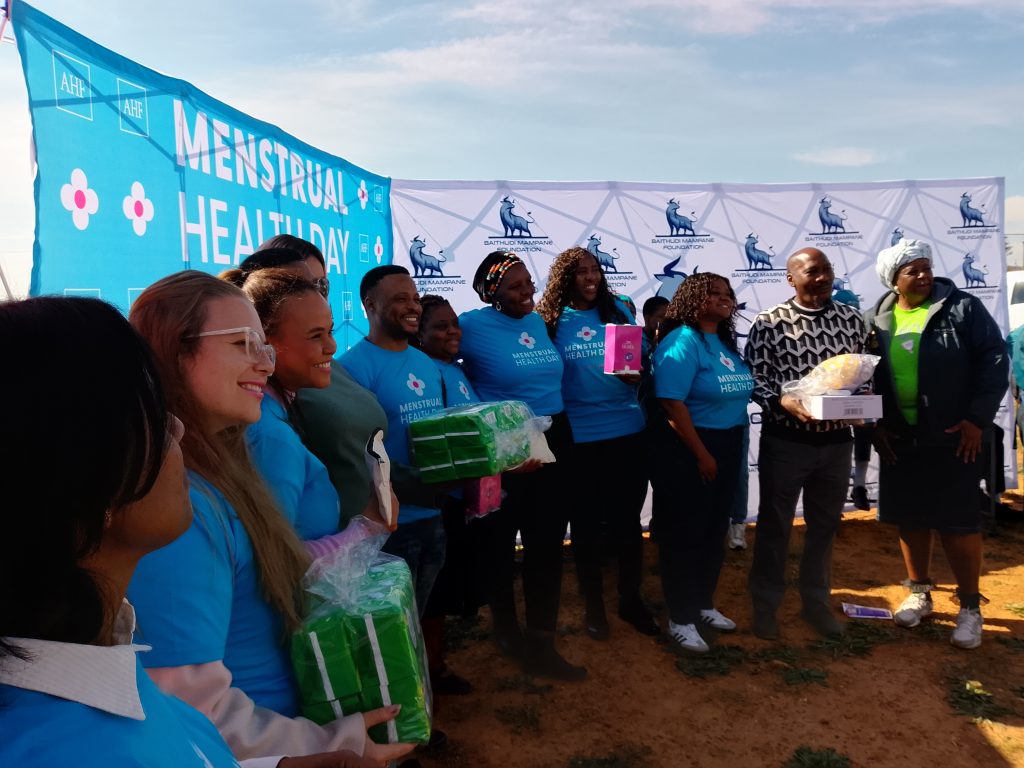
“I think for us, it’s important that as we move forward, this is not just a day where we talk about menstrual health, but it’s a conversation that is continuous,” added Tsotetsi.
She said they needed private sector to partner with them as they cannot do it alone.
“So this requires a mobilisation of all stakeholders to come on board to not only talk about it, but let’s also show that this is not an issue that is affecting a certain organiation,” she concluded.
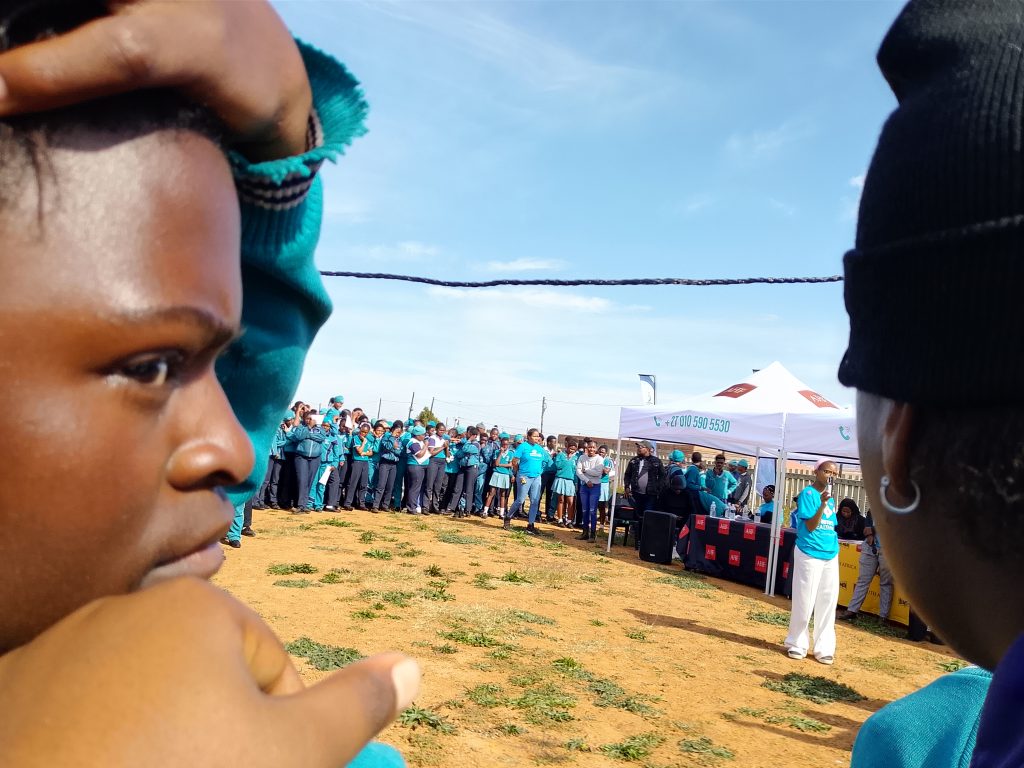
Dignity and respect will go a long way if both boys and girls understand each other better.